Ecotourism continues to be embraced as the antithesis of mass tourism because of its promise of achieving sustainability through conservation mindedness, community development, education and learning,
Ecotourism continues to be embraced as the antithesis of mass tourism because of its promise of achieving sustainability through conservation mindedness, community development, education and learning,
Focusing on an array of economic, social and ecological inconsistencies that continue to plague ecotourism in theory and practice, this book examines ecotourism in reference to other related forms of
Focusing on an array of economic, social and ecological inconsistencies that continue to plague ecotourism in theory and practice, this book examines ecotourism in reference to other related forms of
The How to Pass series of books aims to prepare candidates for the London Chamber of Commerce and Industry Examinations Board (LCCIEB) examinations. Each book in the series:‧ is written (or reviewed w
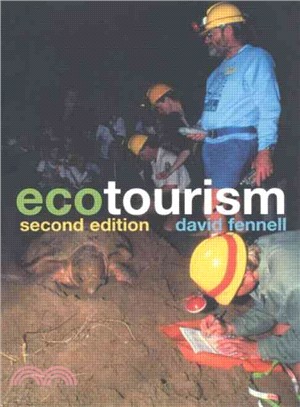
Ecotourism, second edition has been thoroughly revised to reflect contemporary developments in ecotourism. Building on the strengths of the first edition, the text discusses the significance of ecotou
Drawing on case studies from the Pacific Islands, Africa, Latin America and Southeast Asia, this book examines ecotourism enterprises controlled by indigenous people in tribal reserves or protected ar
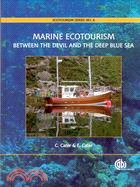
Carl (tourism, hospitality, and sport; Griffith U., Australia) and Erlet (geography, U. of Reading, Britain) document trends and challenges in the growing branch of tourism that seeks to appreciate an
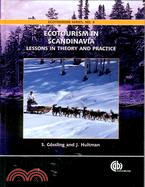
Scandanavia has become one of the leading ecotourism regions of the world. This is the first book to comprehensively describe, analyse and evaluate aspects of Scandinavian ecotourism. It examines the
As arguably the world’s largest and fastest growing industry, the potential environmental impacts of tourism are considerable. Devised by ecologists, ecotourism was therefore seen as a way to prevent
This SpringerBrief focuses on the principles of ecotourism such as relevance of the field, origin, fundamental aspects, definitions, philosophy, implications in biodiversity conservation and environme
Since the first edition of the title, ecotourism has become a major phenomenon in tourism and society in many countries and regions throughout the world. The profusion of experiences has generated a v
Since the first edition of the title, ecotourism has become a major phenomenon in tourism and society in many countries and regions throughout the world. The profusion of experiences has generated a v
Agroecology not only encompasses aspects of ecology, but the ecology of sustainable food production systems, and related societal and cultural values. To provide effective communication regarding stat
Ecotourism: Impacts, Potentials and Possibilities analyses the impacts of mainstream tourism in first, second and third world countries, and argues the benefits of adopting the philosophical approache
Ecotourism is a useful concept, but not a very well defined one; it has been debated in theory and attempted in practice for nearly two decades. Its key goal is to reduce the net environmental impact
All forms of tourism have impacts on the natural environment. The impacts of ecotourism tend to be concentrated in areas of highest conservation value, hence the need to manage and minimize these. The
Genuine ecotourism can have many positive impacts, particularly the conservation of biodiversity and cultural heritage and the creation of economic opportunities for local communities. While promotin
Ecotourism has emerged over the last twenty years not just as a market niche, but also as a strategy for combining development with conservation in the developing world. Ecotourism, NGOs and Developme
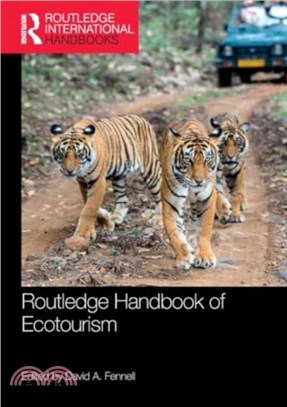
Contributors represent a wide range of countries, and disciplines that include biology, political science, and natural resources as well as tourism. Drawing largely from case studies, they investigate
During the last decade Ecotourism was seen as a concept that was situated at the centre of tourism?s new research paradigm, reflected by the search for new forms of tourism products. These days, with
Winner of the The Caudill Prize, recognizing outstanding contributions to reporting Appalachian life and values. Tourism is the world's largest industry, and ecotourism is rapidly emerging as its fast