Campaign assessments help decisionmakers in the U.S. Department of Defense (DoD), Congress, and the executive branch shape what tend to be difficult and lengthy counterinsurgency (COIN) campaigns. Ass
RAND studied 89 modern insurgency cases to test conventional understanding about how insurgencies end. Findings relevant to policymakers and analysts include that modern insurgencies last about ten ye
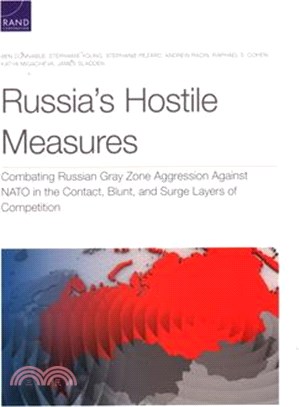
Russia, China, and Iran use measures short of war to exploit and stretch U.S. thresholds for war to further their strategic ends. This report describes those measures, how nation-states use them, and
Freedom of movement (FoM) is the actual or perceived degree to which individuals or groups can move from place to place within a given environment or into and out of that environment. Focusing specifi
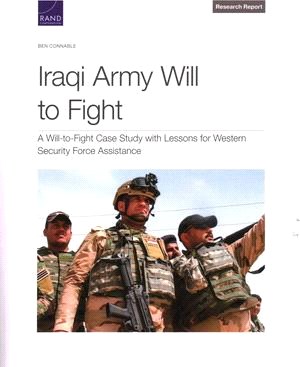
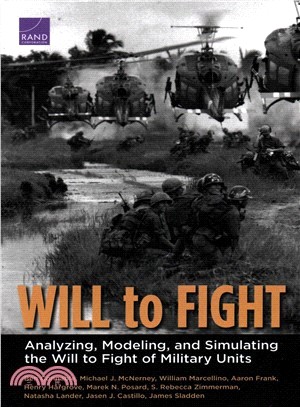
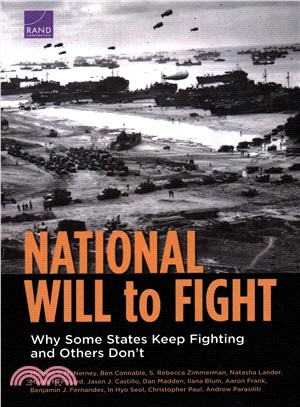
This report defines and describes will to fight and provides a model of unit will to fight that can be applied to ground combat units of any scale. It also provides a theoretical basis for adding will
Many view unrest in the Middle East in the context of religious sectarianism, focusing on the Sunni-Shi’a split. The authors analyze sectarianism in the region and suggest a different interpreta
RAND conducted a lessons learned examination of operations analysis, modeling, and simulation in support of Operation Enduring Freedom and Operation Iraqi Freedom. This report identifies ways in which
This report examines the use of the Commander’s Emergency Response Program (CERP) in Afghanistan. It explores the effectiveness of CERP in supporting tactical operations in Afghanistan during the coun
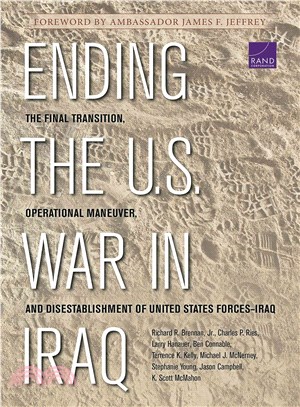
Documents the planning and execution of the U.S. military’s exit from Iraq, the transition of responsibilities to the Iraqi government and other U.S. departments and agencies, and lessons for future m
In this report, RAND researchers propose an exploratory model of 15 variables that shape a national government’s decision to continue or end military and other operations during a conflict (i.e.
Presents findings from six historical case studies in which the mission of special operations forces in each of the six countries transitioned over time to include some level of inclusion in the U.S.
This book looks at the planning and execution of the U.S. military’s exit from Iraq and the transition of responsibilities to the Iraqi government, U.S. embassy, Office of Security Cooperation, USCENT