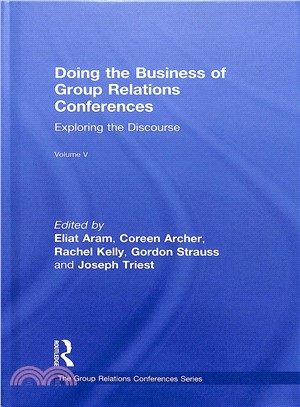
Group Relations Work: Exploring its Impact and Relevance Within and Beyond its Network is composed of the presentations given at Belgirate IV, as well as some post conference reflections. The various
Group Relations conferences offer opportunities to learn about group, organisational and social dynamics; the exercise of authority and power; the interplay between tradition, innovation and change; a
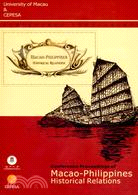
The international conference “Macao-Philippines Historical Relations” was able to open doors for the future of several new fields in History, Literature and other Social Sciences interested in the mul
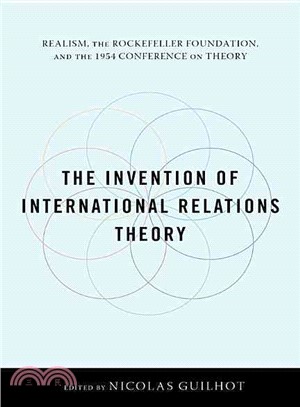
The 1954 Conference on Theory, sponsored by the Rockefeller Foundation, featured a who's who of scholars and practitioners debating the foundations of international relations theory. Assembling his ow
The 1954 Conference On Theory, sponsored by the Rockefeller Foundation, featured a who's who of scholars and practitioners debating the foundations of international relations theory. Assembling his ow
The unconscious dynamics that surface in groups when authority is exercised are of paramount importance in Group Relations Conferences; this volume addresses these considerations through research find
This established text presents a framework for integrating group psychology with psychoanalytic theories of object relations, the ego and the self, through the perspective of general systems theory. I
Brings together a collection of new and original contributions to an understanding of primitive object relations and critical emotional states which present the maximum challenge to the group psychoth
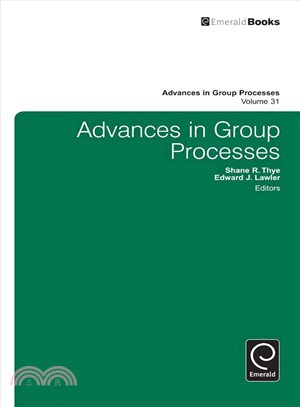
US contributors in sociology, leadership, and business administration are the authors of these selected papers from the August 2013 Annual Conference for Theory and Research on Group Processes. The bo
The conference which gave rise to these proceedings was called to clarify the historical processes that led to the development of abundant and complex relations between the two regions during a time s
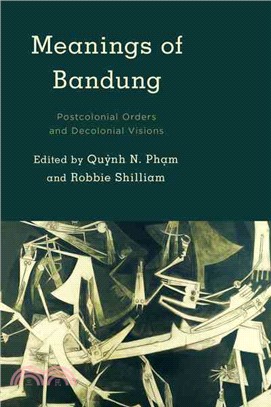
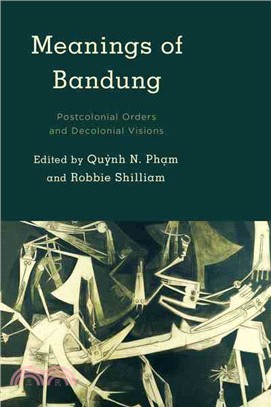
Provides an interdisciplinary retrieval of the multiple meanings of decolonization that the famous Bandung Conference (1955) holds for the study of international relations.
Provides an interdisciplinary retrieval of the multiple meanings of decolonization that the famous Bandung Conference (1955) holds for the study of international relations.
Focusing on contemporary Europe, the United States, and Asia, the essays written for this volume examine generational relations over the life course. The theme taken up by each chapter in turn is the