No other thinker so engaged the Russian cultural imagination of the early twentieth century as did Friedrich Nietzche. The Revolution of Moral Consciousness shows how Nietzschean thought influenced th
Since the dissolution of the Soviet Union in 1991, Russians have confronted a major crisis of identity. Soviet ideology rested on a belief in historical progress, but the post-Soviet imagination has o
The 1991 dissolution of the Soviet Union caused a major identity crisis for the Russian people. During the Soviet era, Moscow was considered a political and cultural center, author Clowes (Slavic lang
If Dostoevsky claimed that all Russian writers of his day "came out from Gogol's 'Overcoat,'" then Edith W. Clowes boldly expands his dramatic image to describe the emergence of Russian philosophy out
This book, part of the acclaimed AATSEEL Critical Companions series, is designed to guide readers through Doctor Zhivago, Boris Pasternak's classic story of the Russian Revolution and its aftermath. A
No other thinker so engaged the Russian cultural imagination of the early twentieth century as did Friedrich Nietzche. The Revolution of Moral Consciousness shows how Nietzschean thought influenced th
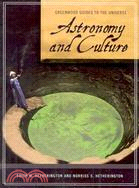
While astronomy is a burgeoning science, with tremendous increases in knowledge every year, it also has a tremendous past, one that has altered humanity's understanding of our place in the universe.
This text focuses on social philosophers and theorists who have made important contributions to contemporary social thought. Emphasizing that social thinkers are involved with profound humanistic and
This interdisciplinary volume is a new introduction to area studies in the framework of whole-world thinking. Emerging in the United States after World War II, area studies have proven indispensable t
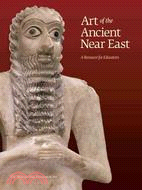
Many features of civilization originated in the lands we call the ancient Near East, a vast and varied area from Turkey to the Indus Valley of present-day Pakistan and from the Caucasus to the Arabian
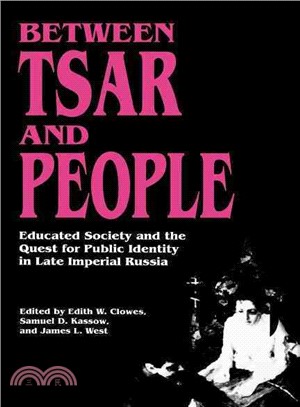
This interdisciplinary collection of essays on the social and cultural life of late imperial Russia describes the struggle of new elites to take up a "middle position" in society--between tsar and peo
Contemporary Russia is often viewed as a centralised regime based in Moscow, with dependent provinces, made subservient by Putin’s policies limiting regional autonomy. This book, however, demonstrates
Editors Joan Grossman and Ruth Rischin pose to their contributors an intriguing question: What happens when the ideas of a thinker like William James, who—despite his originality—was deeply rooted in