



70 折
【內容簡介】 《宜蘭縣佛寺志》由佛光大學闞正宗教授帶領博碩士研究生,分組進行田調與口述訪談。本書以山川地理、歷史圖片、沿革、人物、建築、藝文為綱目撰述,類例分明,含括全面。不僅保存地方重要佛教文化,這種佛教界、學術界、教育界共同攜手編撰的模式,也提供了運作的典範。 本書詳察宜蘭三間極具歷史的寺院:佛光山蘭陽別院、圓明寺、靈山寺。在師生縝密務實的史料收集、田調口述歷史,將寺院彌足珍貴的歷史發展記錄下來。一來彰顯各寺歷年僧眾與大德之悲智雙運行誼,亦可作為後世弘法者借鑑的典範,二者更可窺見星雲大師早年在宜蘭弘法的縮影。 第四集收錄三座寺院。 一、宜蘭蘭陽別院 前身為龍華派齋堂啟昌堂,建於清道光十七年(1837),同治九年(1870)重修,日本殖民時期逐漸轉型為佛寺。民國四十二年春,星雲大師應李決和等宜蘭地方善信之邀,主持雷音寺「週六念佛會」,以創新通俗的弘法模式,吸引大批青年及知識分子,宜蘭成為大師落實人間佛教理念的最初根據地。幾經重修,民國八十六年合併重建為十四層大樓的都市型道場,更名為「佛光山蘭陽別院」。 二、礁溪圓明寺 俗稱「莿仔崙佛祖廟」,大正六年(1917)由覺意、覺慈法師發起創立。日本殖民時期為宜蘭地區最早且最大的尼眾道場,並分衍出其他道場,至少有礁溪福崇寺、頭城靈山寺、冬山白蓮寺等。民國五十一年,因強颱肆虐寺院受損嚴重,經覺意、妙觀師徒多年籌劃,民國六十六年展開重建工程。民國六十九年經信徒大會決議,圓明寺交由星雲大師擔任管理人。 三、頭城靈山寺 開山妙圓法師,於大正十二年(1923)十二月取得土地所有權,可視為建寺之始;日本殖民時期,以農禪生活為修行模式。民國五十五年,妙圓法師因年邁,尋求星雲大師協助管理寺院,達德法師作為妙圓法師皈依弟子,受星雲大師委派接管靈山寺並著手寺院重建。至民國八十一年,經信徒大會表決交由佛光山接管。 【編者簡介】 主編/闞正宗 現任佛光大學教授。對宗教有多年且深入的探討與研究,是近現代中日台交涉史、台灣佛教史的著名學者,曾任中國佛教會檔案編輯委員會副執行長、華嚴蓮社萬行雜誌社兼任主編。 研究專長:臺灣佛教史、漢傳佛教史、近代東亞佛教交涉史、民間宗教與寺廟文化 【目錄】 序文 鑑往知來 永續傳承/心保和尚 大道不孤 眾行致遠/闞正宗 致謝 悠悠百年法傳蘭陽 同心成就共撰史實/葉宜庭 壹•宜蘭縣佛教通論(四) 貳•山川地
優惠價:
7
560

70 折
內容簡介 The transmission of Buddhism to China gave rise to a uniquely rich and systematic monastic tradition. One Hundred Lessons on Monastery Languages & Affairs offers an in-depth exploration of this tradition through six themes: Monastery Systems, Monastic Precepts, Temple Undertakings, Cultivation and Gatherings, Organizational Management, and Spread of Buddhism. Drawing from decades of lived experience, it guides readers through the past, present, and evolving future of Chinese Buddhist monasticism. 目錄 VOLUME 5 ORGANIZATIONAL MANAGEMENT Table of Contents About Venerable Master Hsing Yun Translator’s Introduction Preface Lesson One: Types of Devotees Lesson Two: Sangha Community of Noble Harmony Lesson Three: Great Joy For All Lesson Four: Master-Disciple Paradigms Lesson Five: Monastic-Devotee Relations Lesson Six: Management Approaches of Avalokitesvara Bodhisattva Lesson Seven: Volunteer Bodhisattva Lesson Eight: Buddhist Organizations and Associations Lesson Nine: Buddhist Symbo
優惠價:
7
210

70 折
內容簡介 The transmission of Buddhism to China gave rise to a uniquely rich and systematic monastic tradition. One Hundred Lessons on Monastery Languages & Affairs offers an in-depth exploration of this tradition through six themes: Monastery Systems, Monastic Precepts, Temple Undertakings, Cultivation and Gatherings, Organizational Management, and Spread of Buddhism. Drawing from decades of lived experience, it guides readers through the past, present, and evolving future of Chinese Buddhist monasticism. 目錄 VOLUME 6 SPREAD OF BUDDHISM Table of Contents About Venerable Master Hsing Yun Translator’s Introduction Preface Lesson One: Initial Transmission of Buddhism Lesson Two: Five Schools and Seven Sects of Chan Lesson Three: Protecting the Country and Safeguarding Buddhism Lesson Four: Teachers of Emperors and Kings Lesson Five: Propagation of Buddhism Lesson Six: Releasing Life and Liberating People Lesson Seven: Buddhist Weddings Lesson Eight: Bedside Care Lesson Nine: Hospice Care Les
優惠價:
7
210
70 折
內容簡介 The transmission of Buddhism to China gave rise to a uniquely rich and systematic monastic tradition. One Hundred Lessons on Monastery Languages & Affairs offers an in-depth exploration of this tradition through six themes: Monastery Systems, Monastic Precepts, Temple Undertakings, Cultivation and Gatherings, Organizational Management, and Spread of Buddhism. Drawing from decades of lived experience, it guides readers through the past, present, and evolving future of Chinese Buddhist monasticism. 目錄 GLOSSARY Table of Contents About Venerable Master Hsing Yun Translator’s Introduction Preface English-Chinese Glossary Chinese-English Glossary Poems and Verses 作者簡介 About Venerable Master Hsing Yun Venerable Master Hsing Yun (1927–2023) was born in Jiangsu Province, China. He studied at various renowned Buddhist institutions such as Qixia Vinaya College and Jiaoshan Buddhist College. Soon after his arrival in Taiwan in 1949, he became the chief editor of Human Life, a Buddhist maga
優惠價:
7
140

70 折
內容簡介 The transmission of Buddhism to China gave rise to a uniquely rich and systematic monastic tradition. One Hundred Lessons on Monastery Languages & Affairs offers an in-depth exploration of this tradition through six themes: Monastery Systems, Monastic Precepts, Temple Undertakings, Cultivation and Gatherings, Organizational Management, and Spread of Buddhism. Drawing from decades of lived experience, it guides readers through the past, present, and evolving future of Chinese Buddhist monasticism. 目錄 VOLUME 4 CULTIVATION AND GATHERINGS Table of Contents About Venerable Master Hsing Yun Translator’s Introduction Preface Lesson One: Taking Refuge in the Triple Gem Lesson Two: Upholding the Five Precepts Lesson Three: Secret Practice and Cultivation Lesson Four: Meritorious Buddhist Rites Lesson Five: Eight Precepts and Abstinence Retreat Lesson Six: The Practice of Letting Go Lesson Seven: Assistive Chanting for the Deceased Lesson Eight: Family Gatherings Lesson Nine: The Dharma G
優惠價:
7
210

70 折
內容簡介 The transmission of Buddhism to China gave rise to a uniquely rich and systematic monastic tradition. One Hundred Lessons on Monastery Languages & Affairs offers an in-depth exploration of this tradition through six themes: Monastery Systems, Monastic Precepts, Temple Undertakings, Cultivation and Gatherings, Organizational Management, and Spread of Buddhism. Drawing from decades of lived experience, it guides readers through the past, present, and evolving future of Chinese Buddhist monasticism. 目錄 VOLUME 2 MONASTIC PRECEPTS Table of Contents About Venerable Master Hsing Yun Translator’s Introduction Preface Lesson One: The Newly Aspired to the Path Lesson Two: Renunciation and Liberation Lesson Three: Triple Platform Full Ordination Ceremony Lesson Four: Four Types of Comportment Lesson Five: Five Years of Learning the Precepts Lesson Six: Summer Retreat Lesson Seven: Three Blades and Six Mallets Lesson Eight: Three Robes, Alms Bowl, and Sitting Mat Lesson Nine: Dharma Instrum
優惠價:
7
210

70 折
內容簡介 The transmission of Buddhism to China gave rise to a uniquely rich and systematic monastic tradition. One Hundred Lessons on Monastery Languages & Affairs offers an in-depth exploration of this tradition through six themes: Monastery Systems, Monastic Precepts, Temple Undertakings, Cultivation and Gatherings, Organizational Management, and Spread of Buddhism. Drawing from decades of lived experience, it guides readers through the past, present, and evolving future of Chinese Buddhist monasticism. 目錄 VOLUME 3 TEMPLE UNDERTAKINGS Table of Contents About Venerable Master Hsing Yun Translator’s Introduction Preface Lesson One: The Monastery Establishment Lesson Two: Inauguration of Abbotship Lesson Three: Inter-Monastery Relations Lesson Four: Universal Tea Gatherings Lesson Five: Entering and Exiting the Buddha Shrine Lesson Six: Buddhist Etiquette Lesson Seven: Offerings to the Human and Heavenly Realms Lesson Eight: Buddhist Festivals Lesson Nine: Spring and Autumn Memorial Rite
優惠價:
7
210

70 折
內容簡介 The transmission of Buddhism to China gave rise to a uniquely rich and systematic monastic tradition. One Hundred Lessons on Monastery Languages & Affairs offers an in-depth exploration of this tradition through six themes: Monastery Systems, Monastic Precepts, Temple Undertakings, Cultivation and Gatherings, Organizational Management, and Spread of Buddhism. Drawing from decades of lived experience, it guides readers through the past, present, and evolving future of Chinese Buddhist monasticism. 目錄 VOLUME 1 MONASTERY SYSTEMS Table of Contents About Venerable Master Hsing Yun Translator’s Introduction Preface Lesson One: Types of Buddhist Monasteries Lesson Two: Monasteries in the Mainland China Lesson Three: Layout of a Monastery Lesson Four: The Forty-Eight Positions Lesson Five: The Meaning of “Unit” Lesson Six: Monastery Anecdotes Lesson Seven: Buddhist Titles Lesson Eight: Monastery Language Lesson Nine: A Day in Monastery Lesson Ten: The Four Main Halls Lesson Eleven: Mona
優惠價:
7
210

70 折
不修寺志,無以追古,不自卑何以行遠? 佛法之興衰,伽藍之住眾,人事物互有因果關係, 修志之大用昭然若揭。 凡事起頭難,難在初次, 然寺志之修纂,每一座都是首次, 無論謀事或謀人皆難比照, 辛苦之程度,若無心於此者, 難以達成任務。 有志者,曷興乎來! ──佛光大學教授 闞正宗 《宜蘭縣佛寺志》經宜蘭縣佛教會居中連繫,佛光大學闞正宗教授帶領博碩士研究生,分組進行田調與口述訪談。本書以山川地理、歷史圖片、沿革、人物、建築、藝文為綱目撰述,類例分明,含括全面,使閱者很快能因類究書,因書就學。 第三集收錄頭城、礁溪的兩間寺院: 一、頭城善慧寺 前身為宜蘭地區齋教龍華派齋堂之一「募善堂」,建於殖民時期(約1905~1910),由宜蘭仕紳郭進居、吳連三發起建設。戰後經歷任養淨、慧省兩位法師住持領導,逐漸由齋教轉為佛教,並由管理人制改為住持制。民國四十一年十二月「宜蘭縣佛教支會」成立,郭進居被推選為首任理事長。第一任至第三任會址皆設於募善堂。民國八十二年更名為善慧寺。現任住持為明寶法師。 二、礁溪福嚴禪寺 臺灣光復後創建,民國五十年由基隆月眉山派下普同法師開山。第二任住持宏榮法師於民國六十四年晉山後,重視禪法修持,延續月眉山派宗風與傳統。致力寺院建設及各項弘法活動,也注重文教發展,辦有雜誌、幼稚園,並於電台布教,亦舉辦短期出家,傳授三壇大戒、在家戒會等。民國九十三由宏融法師繼任住持。
優惠價:
7
560
70 折
寺為人建,法憑人弘。 寺志紀錄了幾代人的努力, 興衰起伏,人事變遷,一切歷歷在目, 故「精求徵信,以備古今興廢之林」為寺志之要。 封塵的歷史隨著一張張老照片而重現, 每一次田調、每一次行動, 發掘沉甸甸的史料,接觸活生生的人物, 或因輝煌而欣喜,或由現難而暗垂 吾等見聞者當感物而記事, 借鑒歷史,以發菩提道心。 ──佛光大學教授 闞正宗 《宜蘭縣佛寺志》經宜蘭縣佛教會居中連繫,佛光大學闞正宗教授帶領九位博碩士研究生,分組進行田調與口述訪談。本書以山川地理、歷史圖片、沿革、人物、建築、藝文為綱目撰述,類例分明,含括全面,使閱者很快能因類究書,因書就學。 第二集收錄頭城、礁溪的兩間寺院: 一、頭城開成寺 建於嘉慶初年,民間色彩濃厚,佛道信仰混合,現以管理委員會制度運作。最早為開蘭先賢吳沙隨身攜帶的「黑面金身觀音佛祖」供奉之所,故清代以來當地居民皆稱之為佛祖廟,後來陸續增建吳沙祠、大眾爺廟、城隍廟。同治四年(1865)因洪水而遷建現址,更名為開成寺。道光年間起,作為「搶孤」進行的場所,至今仍是民俗佛教最大的代表活動之一。 二、礁溪開成寺 前身是齋教龍華派齋堂,為宜蘭實業家謝火於大正八年(1919) 所建清修之所, 昭和十年(1935)妙月法師接任住持,齋教信仰正式轉為正信佛教信仰。妙月法師出身礁溪福崇寺,為鼓山通本法師派下系統,住持期間以清修苦行為主。民國七十四年(1985)道清法師引薦見如法師接任住持,專修唐密孔雀明王法。常通法師接任住持時,帶入淨土宗的修持,形成孔雀明王法兼弘淨土法門。
優惠價:
7
560
70 折
寺院,是三寶住世的體現,儘管超然物外,但作為一宗教實踐場域,自然在不同程度上要與凡俗發生互動。因此,寺院於歷史所承載的,就不僅是僧侶活動的軌跡、法脈傳承之延伸,而在教育、文化、藝術、政治、經濟、商業,乃至外交關係網絡上,都發揮了它多重的社會作用與功能;而「寺志」,即是記錄這些重要歷史演變的一部佛寺生命史。 《宜蘭縣佛寺志》經宜蘭縣佛教會居中連繫,佛光大學闞正宗教授帶領九位博碩士研究生,分組進行田調與口述訪談。本書以歷史圖片、山川地理、沿革、建築形制、人物、藝文為綱目撰述,類例分明,含括全面,使閱者很快能因類究書,因書就學。 第一集收錄三間寺院: 一、頭城吉祥寺 真精法師創建於明治四十年(1907),為臺灣首座本土法師創建的寺院,是宜蘭正統佛寺的先驅。位於九股山上,林深境美。燕尾屋脊的建築,曲線優美柔和。寺後有二塔,一曰靈山,一曰靈光,其中靈光塔約在大正六年(1917)竣工,與基隆月眉山靈泉三塔是臺灣日本殖民時期,最早的納骨塔。 二、羅東菩提寺 前身為「羅東念佛會」,民國四十二年由星雲大師協助成立及兼任領導之責。民國四十八年聘任真華法師為「羅東念佛會」導師,念佛風氣蔚為一時。 民國六十九年搬遷至現址,並於民國七十五年更名為菩提寺,現為一專修淨土之道場。 三、員山明光寺 創建於民國五十二年,為地方重要佛教信仰中心。開山住持紹悟法師,與弟子真明法師創辦明光托兒所,為地方幼教啟蒙發揮重要影響力。民國一○七年惟定法師接任住持後,年年開設短期出家體驗營,為一大特色。
優惠價:
7
560
70 折
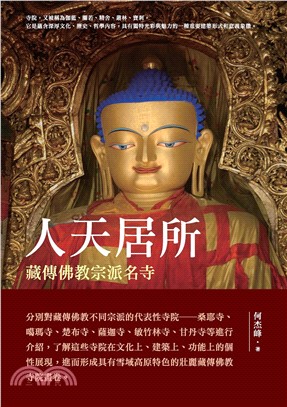
寺院,又被稱為伽藍、蘭若、精舍、叢林、寶剎,它是蘊含深厚文化、歷史、哲學內容,具有獨特光彩與魅力的一種重要建築形式和意義象徵。 藏傳佛寺由於地理上的因素、建寺時的政治背景、信奉教派的不同,每間佛寺因而呈現出巨大的差異。 本書從表現特徵、歷史發展和類型分門別類介紹藏地佛教寺院的整體面貌,並分別對藏傳佛教不同宗派的代表性寺院──桑耶寺、噶瑪寺、楚布寺、薩迦寺、敏竹林寺、甘丹寺等進行解說,說明這些寺院在文化上、建築上、功能上的個性展現,進而形成具有雪域高原特色的壯麗藏傳佛教寺院畫卷。 本書特色 ★藏傳佛教寺院和其他佛教寺院不同之處為何? ★藏傳佛教寺院的建築美學和人文特徵為何? 透過本書介紹,帶領你體驗藏傳佛教寺院的文化歷史與建築美。
優惠價:
7
154

70 折
《辽西古刹塔窟志》细致选取了辽西地区历史悠久、规模完具、底蕴较深的500多座知名古刹塔窟,以文字为主,配以照片,呈现图文并美的效果,力图展现辽西古老寺庙之面貌。在文字编辑方面,作者以学者的严谨和缜密慎思的态度,对入选的500多座寺院塔窟的历史沿革进行认真梳理成文,还搜集了大量文人墨客所撰的相关楹联,使读者藉此感知他们对宗教的理解、诠释以及相应的情感等因缘关系,丰富了书籍的内容。
優惠價:
7
1043


70 折
浙江寧波天童禪寺,坐落在太白山麓,有如彌勒之肚臍眼,迄今已有1710多年。歷代皇帝五賜寺名、十封國師,為“五山十刹”之一、“禪宗四大禪林”之一,又是日本曹洞宗之祖庭。182代住持,均系高僧大德,其中正覺首創“默照禪”,圓悟功在重興,八指頭陀以死殉教,圓瑛乃中國佛協首任會長。有“東南佛國”之稱的天童禪寺,建築宏偉壯麗,規模華東稱雄,周圍是國家森林公園,“天童十景”,令人流連忘返。本書介紹了天童禪寺悠久的歷史和禪宗文化。
優惠價:
7
88

70 折
寒山寺是中國十大古寺之一,距今有1500多年的歷史,文化底蘊深厚,是國際知名的歷史文化名寺。和合精神在寒山寺有深厚的基礎和廣泛的影響,寒山寺被公認為“和合祖庭”。如今,寒山寺已成為世界聞名的佛教聖地,成為中國人民與各國人民傳遞友誼、交流文化的紐帶和橋樑,成為世界矚目的活力城市——蘇州的一張靚麗的名片。本書從寺廟概述、古刹春秋、史海鉤沉、寺廟文化四個方面對寒山寺進行了生動的介紹,突出了寒山寺的文化特色。
優惠價:
7
88

70 折
重拾書架上的《洛陽伽藍記》,展讀一千五百年前一個因官派而回到洛陽古都的那位南北朝後魏撫軍司馬楊衒之,當他撫視落日餘暉下的洛陽城所發出的千年一嘆!他明著寫洛陽寺院,卻是一部活生生的南北朝興衰史。 作者以《洛陽伽藍記》作為導師,在北京展開一段段寺廟行腳之旅,將歷史、文化及佛教意涵帶入,讓每間寺院。 寫作手法上隱藏了踏查寺院後的個人情緒針砭,以散文的筆觸,統一以「寺院緣起、地理方位、歷史脈絡、宗派演進、建築特色、文物傳奇、出入名人等」的格式,書寫北京城的佛教歷史。 這是一個長期從事佛教文化工作的比丘尼,繼《走過臺灣佛教五十年》後,單純地「想為北京佛教留下歷史」的使命,讓這本書也如王文進教授對《洛陽伽藍記》的最佳詮釋:「兼具地志的正確,歷史的批判和文學的優美三種性格」。 本書特色 以北京寺院之緣起、地理方位、歷史脈絡、宗教演進、建築特色、文物傳奇、出入名人等開展出同《洛陽伽藍記》般的美學呼喚。
優惠價:
7
266
70 折
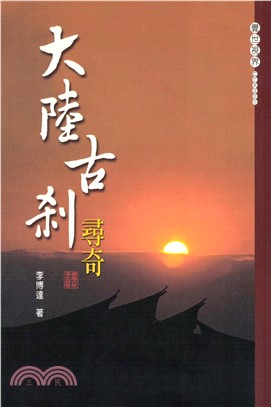
智慧何處尋?兩千多年來中國佛門古剎,無論是建築藝術或著空間規劃,乃至每一飾物,皆有其深遠的表法與內涵,尤其是出世間的智慧,更是無所不在。這些妙寶正等著您用心去領悟,若能悟得一分自家寶,即能免除萬劫生死身。
優惠價:
7
175

70 折
《洛陽伽藍記逐字索引》是香港中文大學中國文化研究所《魏晉南北朝古籍逐字索引叢刊》計畫第一輯史部第一種書。《魏晉叢刊》由該所劉殿爵教授、陳方正博士、何志華教授主編,中文大學出版社分階段陸續出版,首三輯索引共二十五冊,主要為子部及別集類文獻,集部第一至十八種及子部第一種已於較早前出版。 《洛陽伽藍記逐字索引》依原書分五卷,分城內、城東、城南、城西及城北。正文據《四部叢刊》三編影明如隱堂本影《洛陽伽藍記》。今除別本、類書外,並據其他文獻所見之重文,加以校改。另外,附有「增字、刪字、誤字改正說明表」、「漢語拼音檢字表」等,俾便讀者查閱。
優惠價:
7
1400
70 折
-
共 20筆第 1 頁